Export to Europe — spherical socket lap-welded TPEP pipe, five-party acceptance
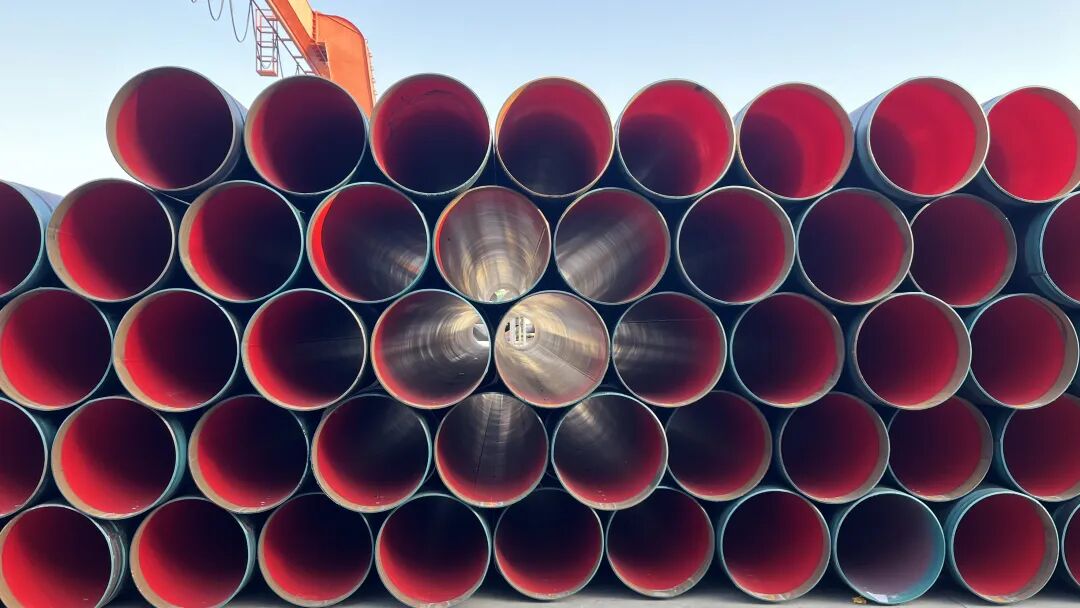
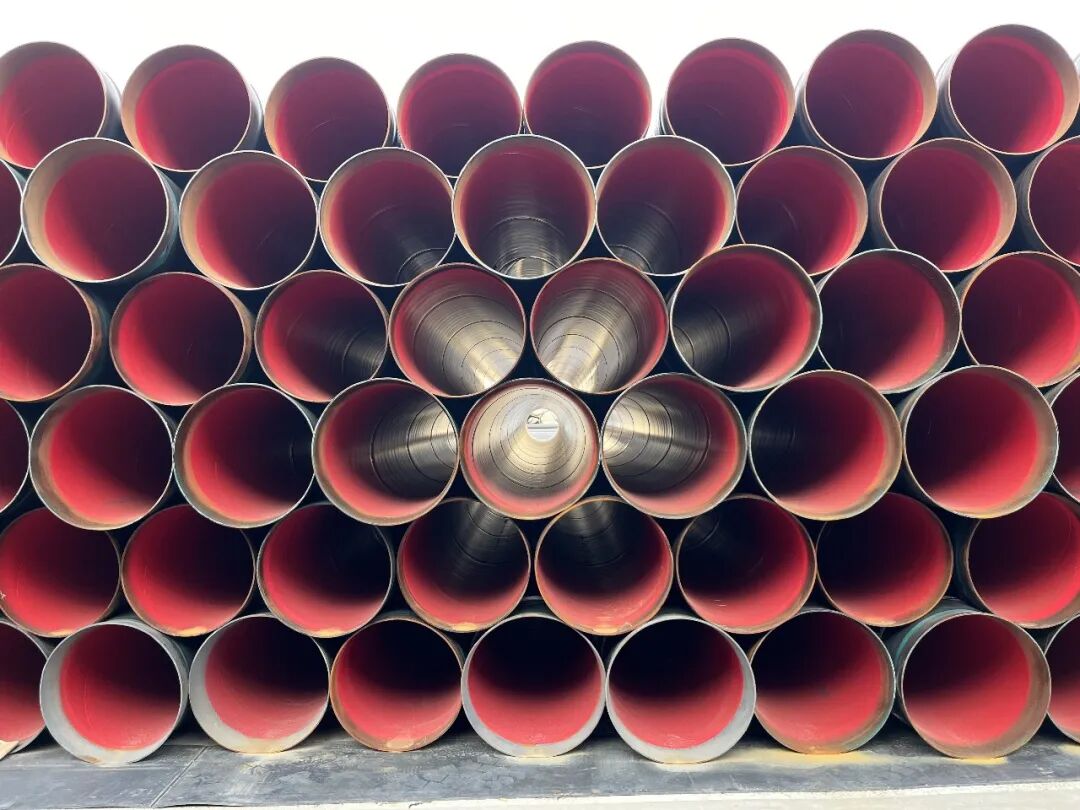
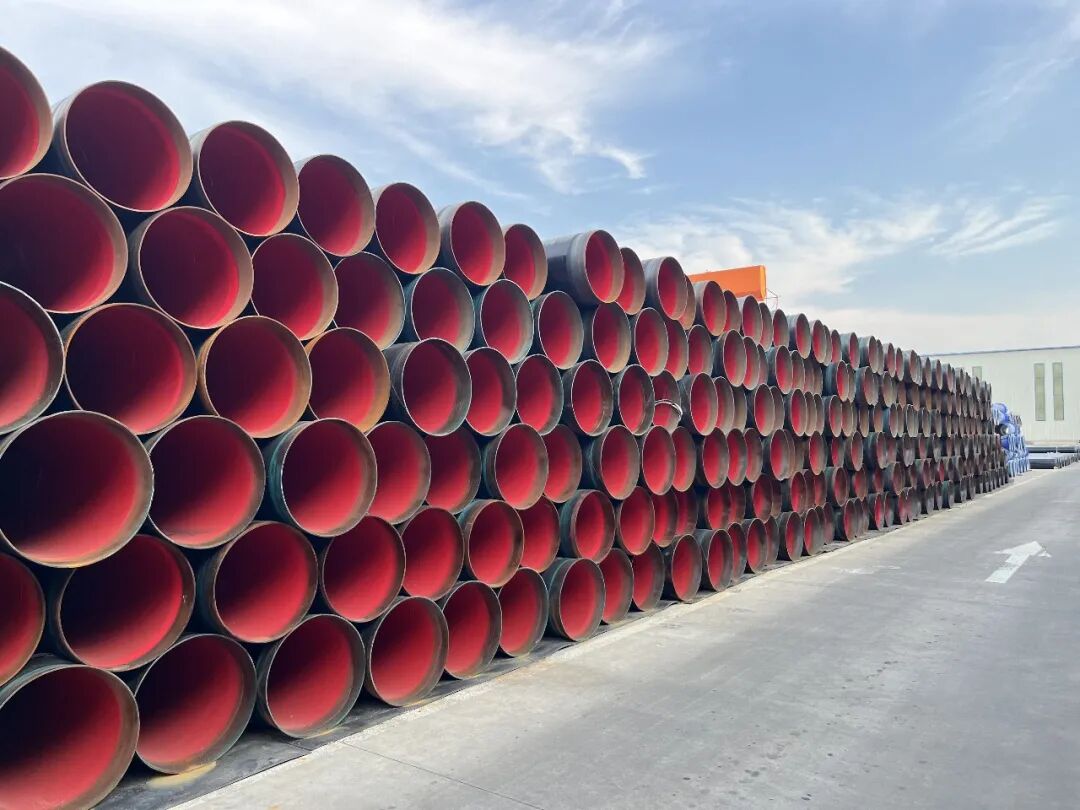
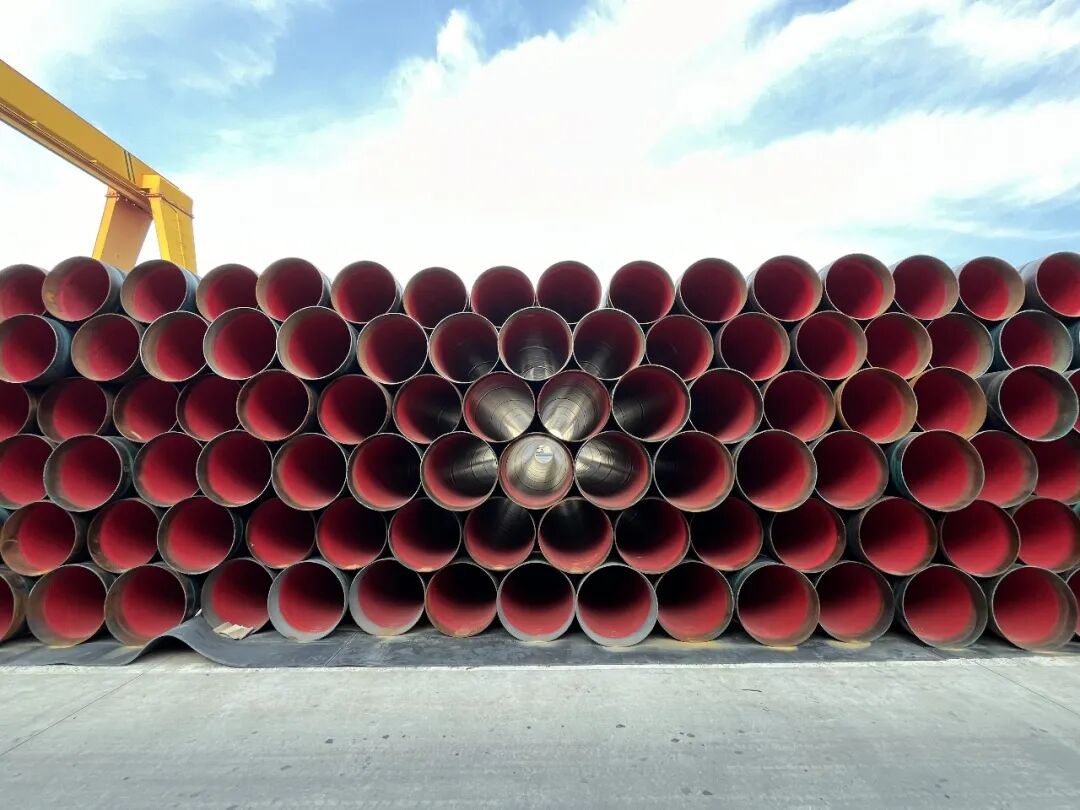
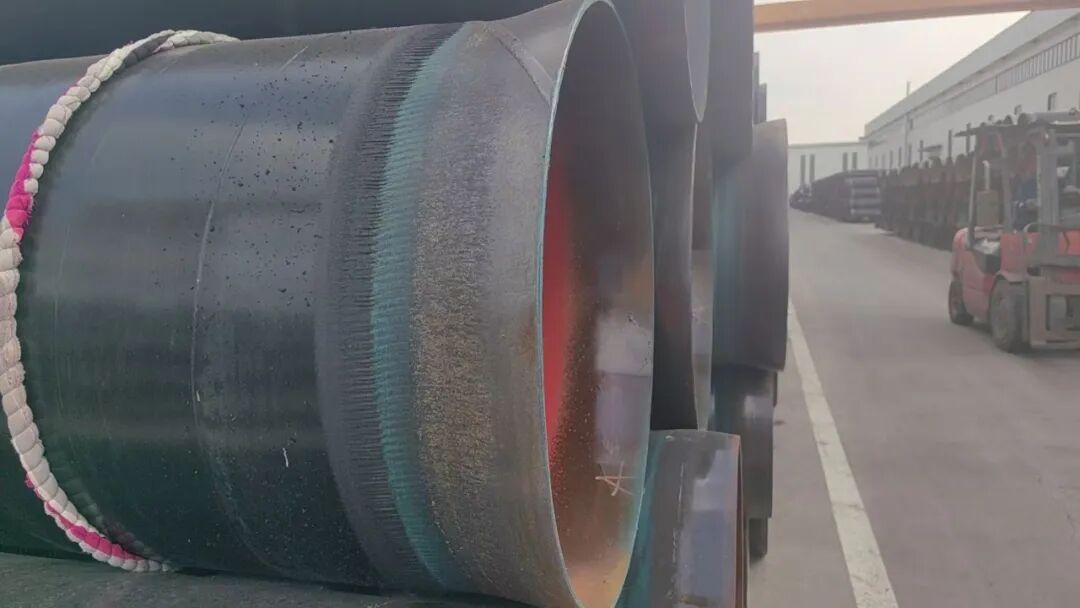
About the TPEP Anti-Corrosion Steel Pipe Export Project to Europe A batch of TPEP anti-corrosion steel pipes exported to Europe, in diameters including 610/813 mm, all adopts the spherical socket lap-weld connection scheme, with an uncommon red epoxy coating applied to the pipe inner wall. After months of waiting through the construction schedule, shipping arrangements and owner acceptance, on-site acceptance was finally completed at the end of 2024.
At the end of 2024, five parties — the European owner, the supervisor, the contractor, the purchaser and Youcheng Pipeline as the manufacturer — jointly visited the Youcheng factory to review the spiral steel pipe production process and the pipe anti-corrosion process, and carried out on-site quality acceptance. After the on-site inspection, the European client signed all acceptance documents and completed the payment formalities on the spot in the meeting room. In early 2025, all goods were successively delivered to the port and shipped to Europe, and all the pipes have now been installed and put into service.
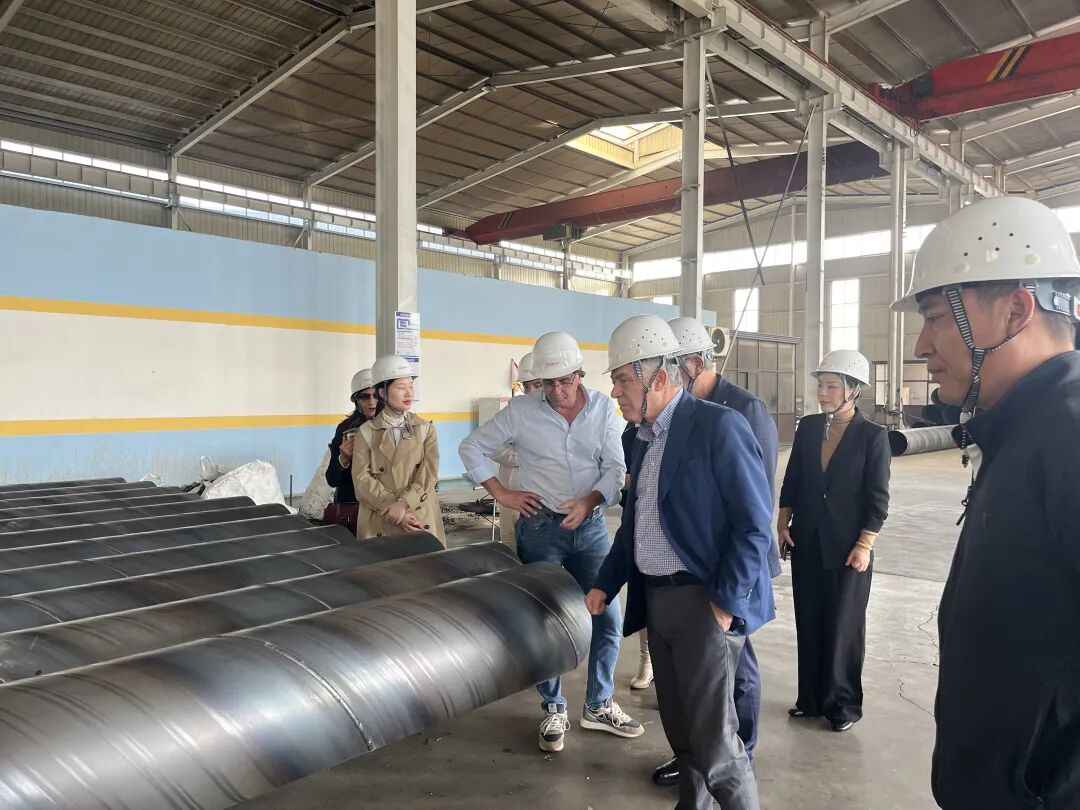
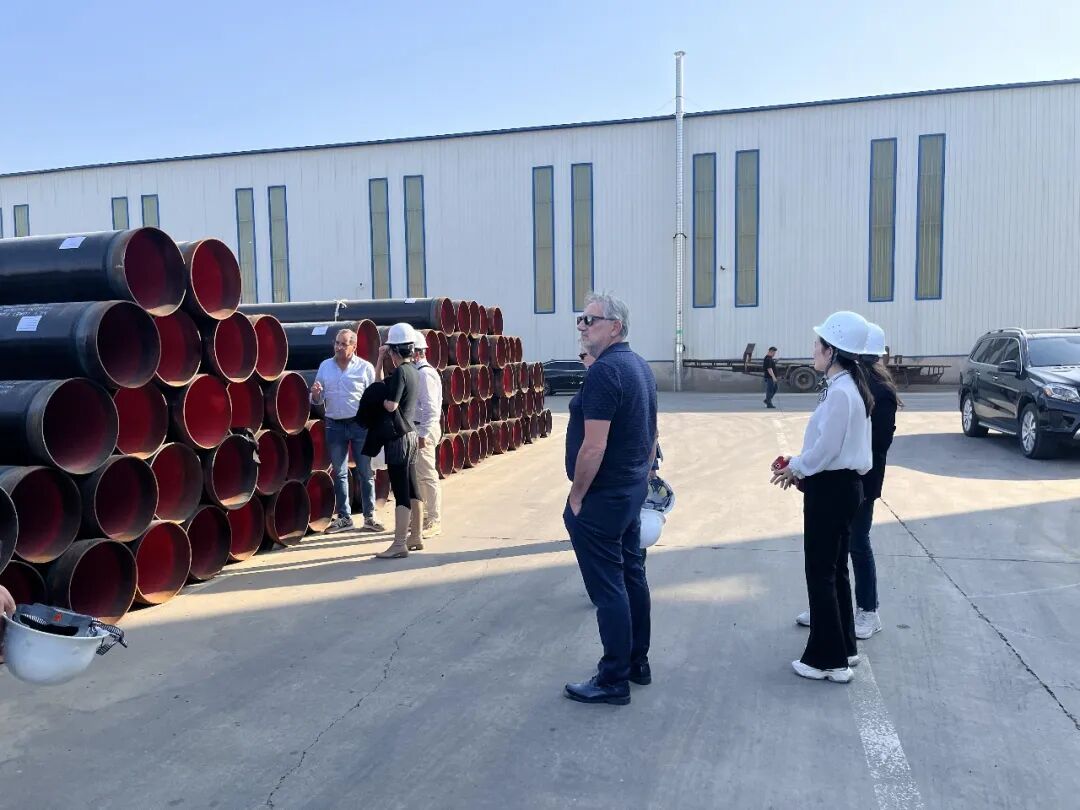
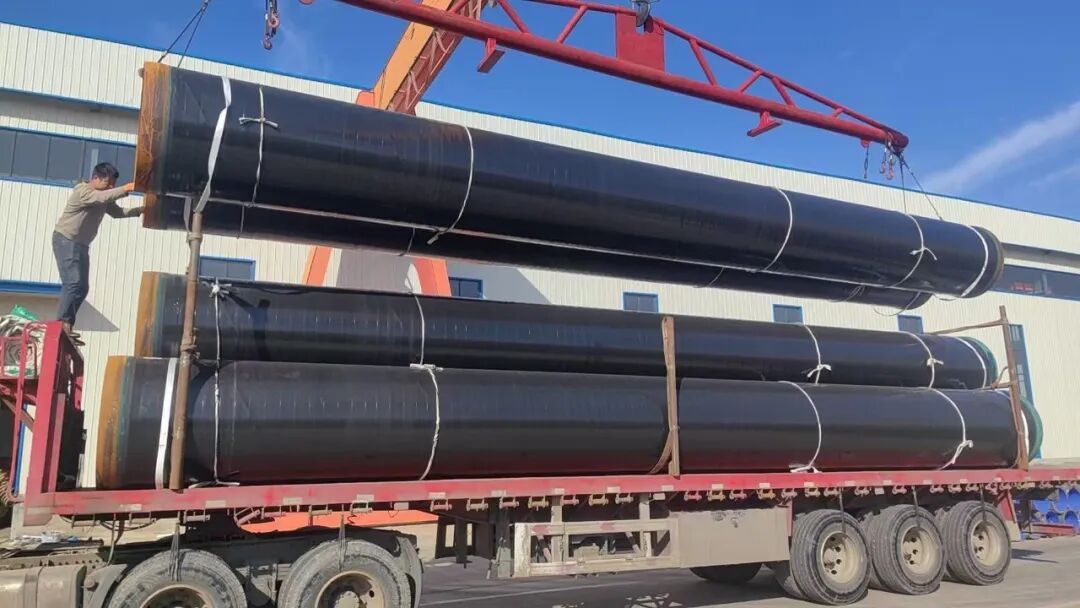
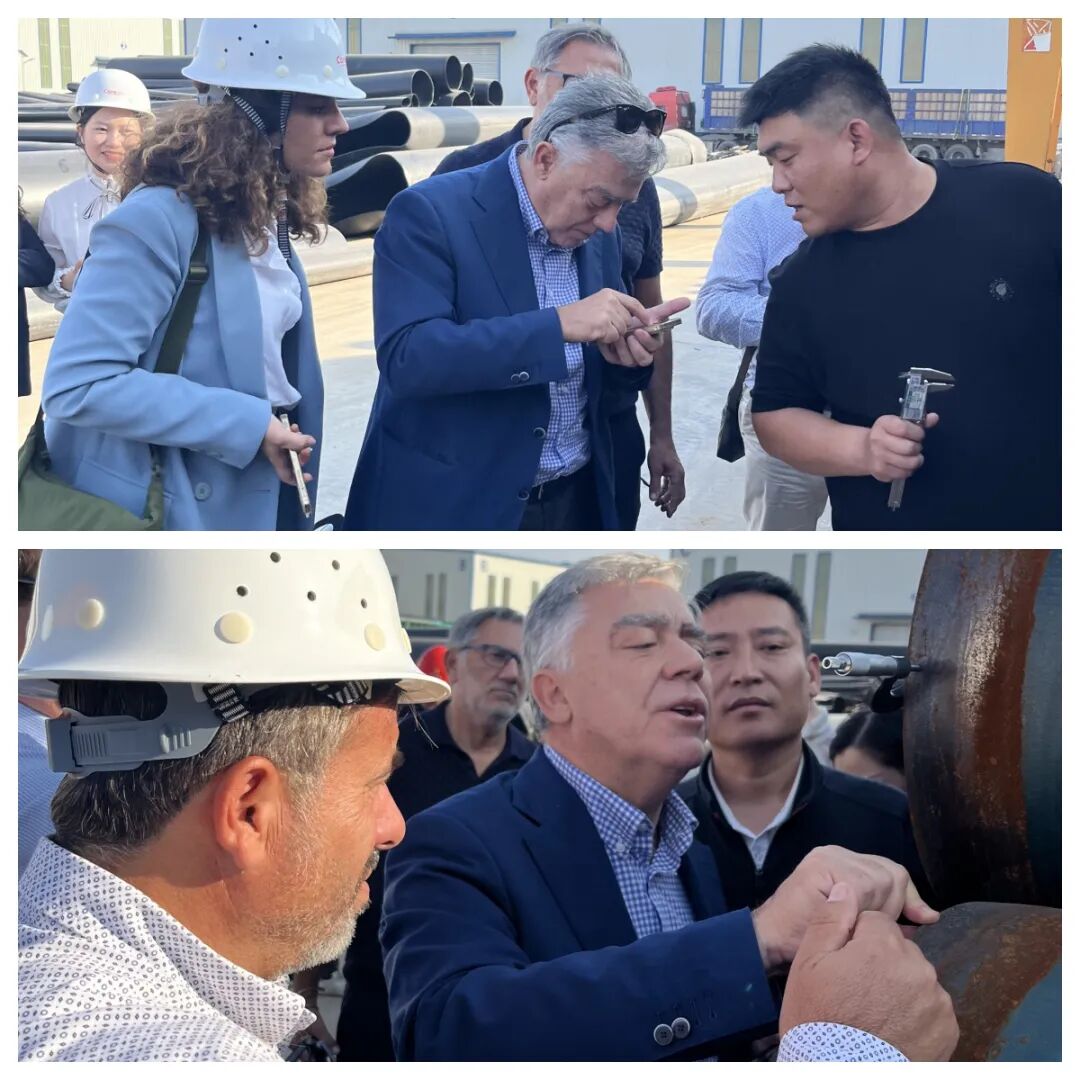
On-Site Quality Inspection and Acceptance
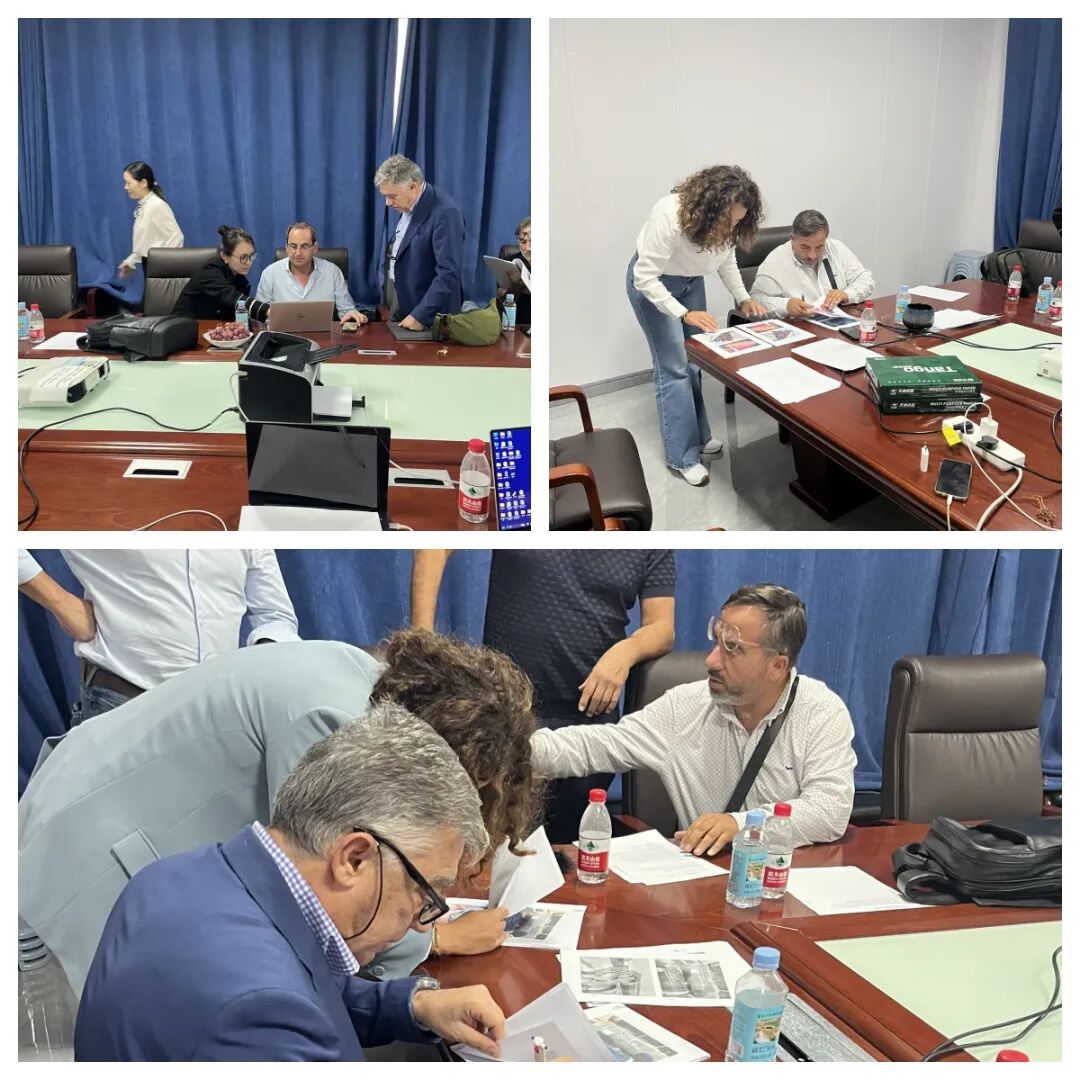
Joint Sign-Off Acceptance
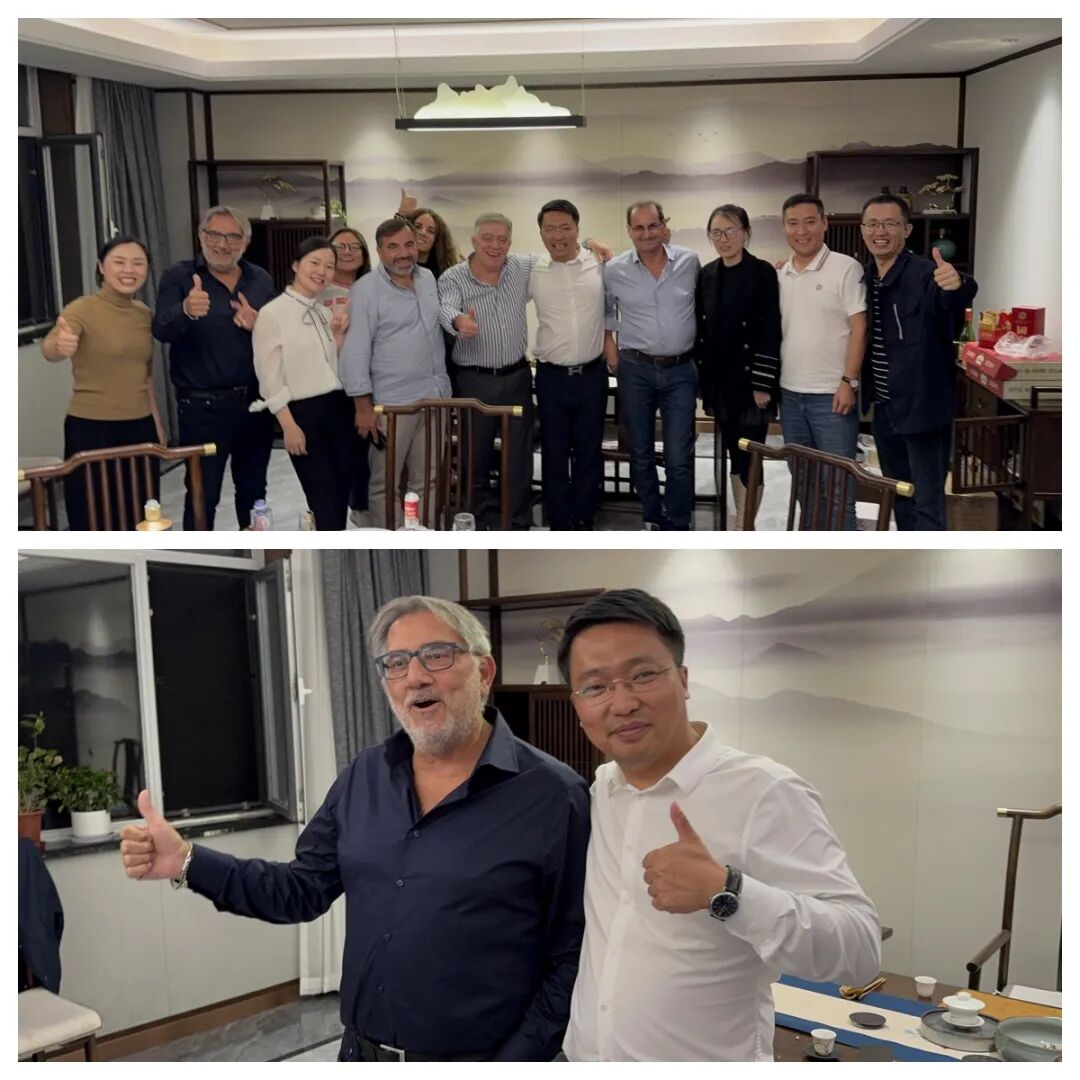
Banquet in Honor of the European Clients
About Spherical Socket Lap-Weld Anti-Corrosion Steel Pipe
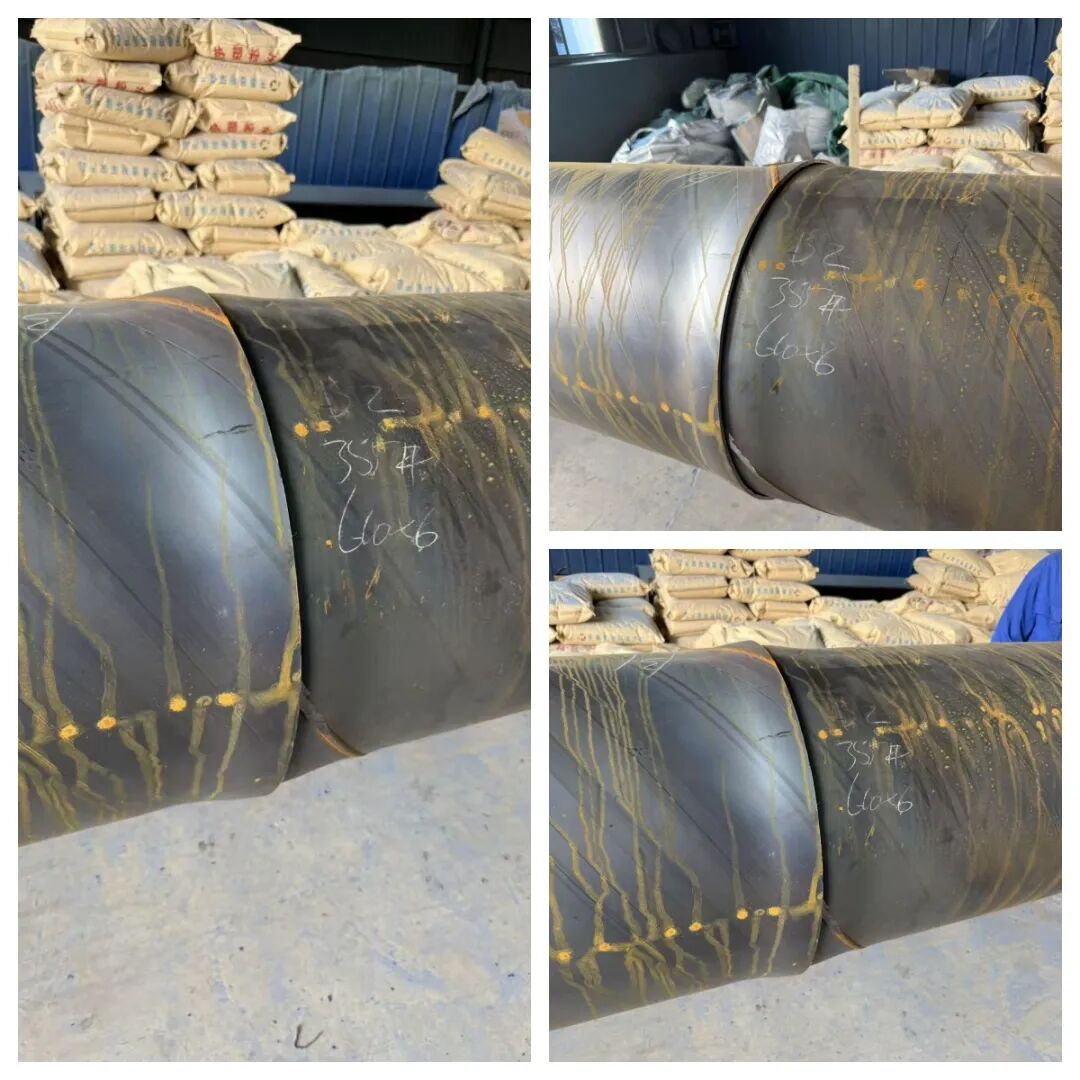
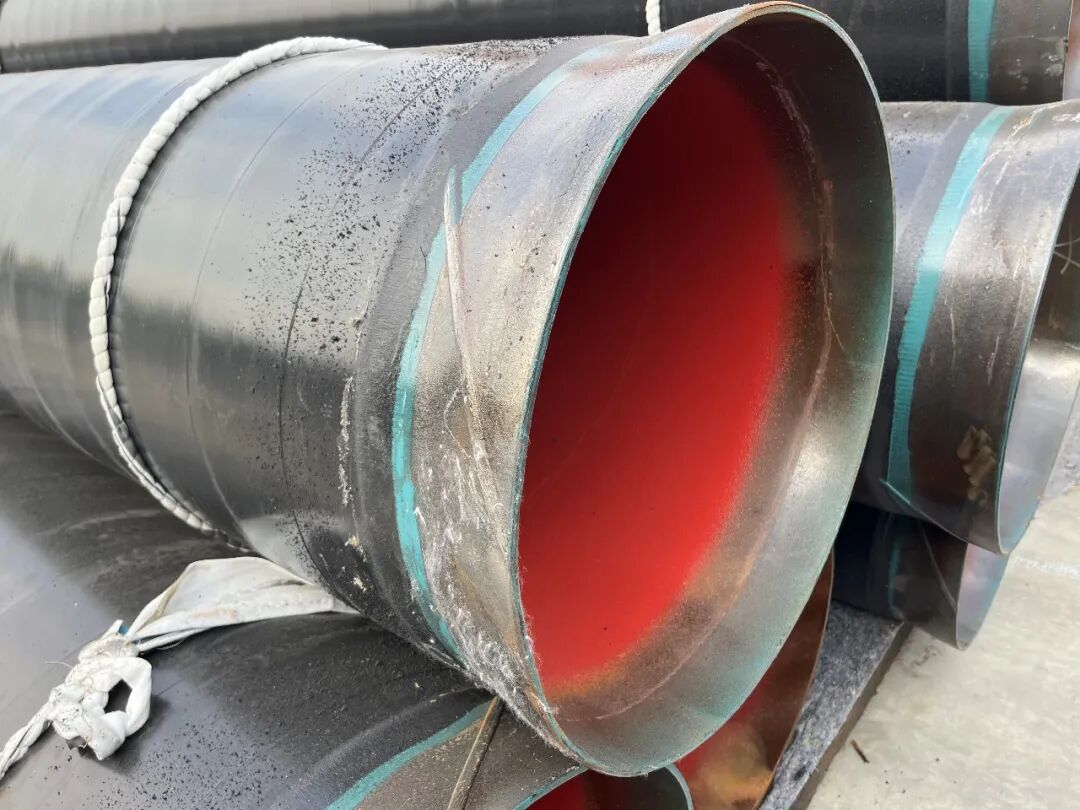
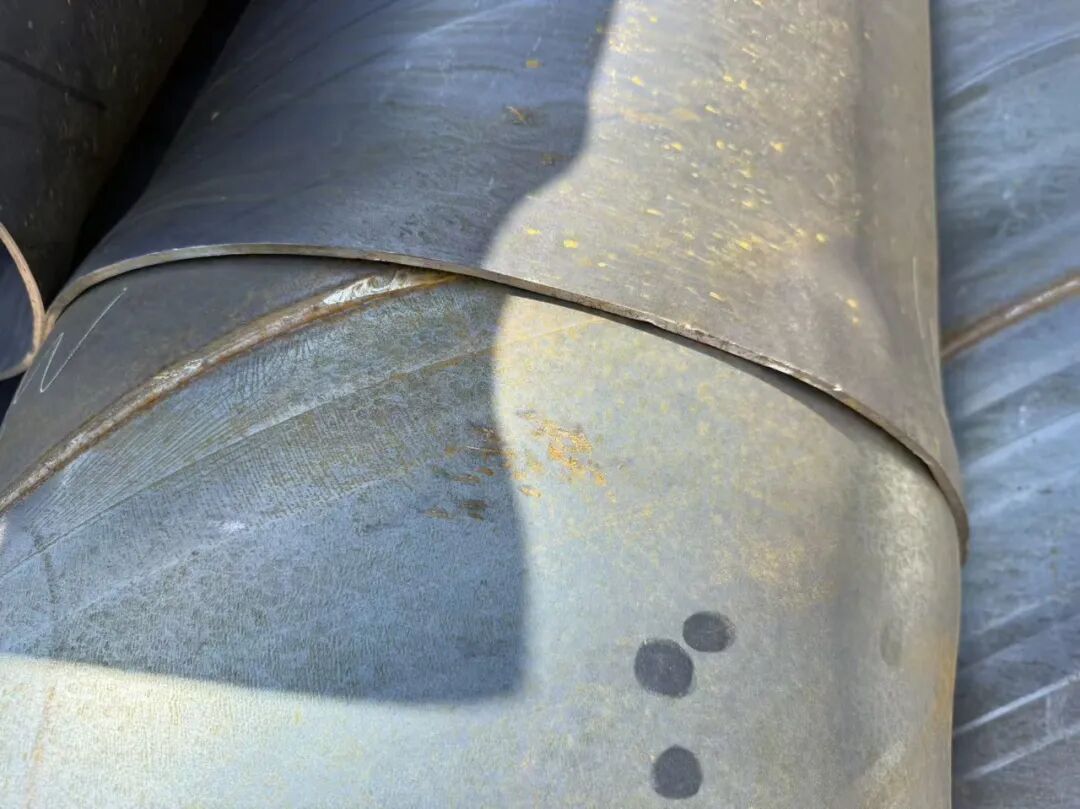
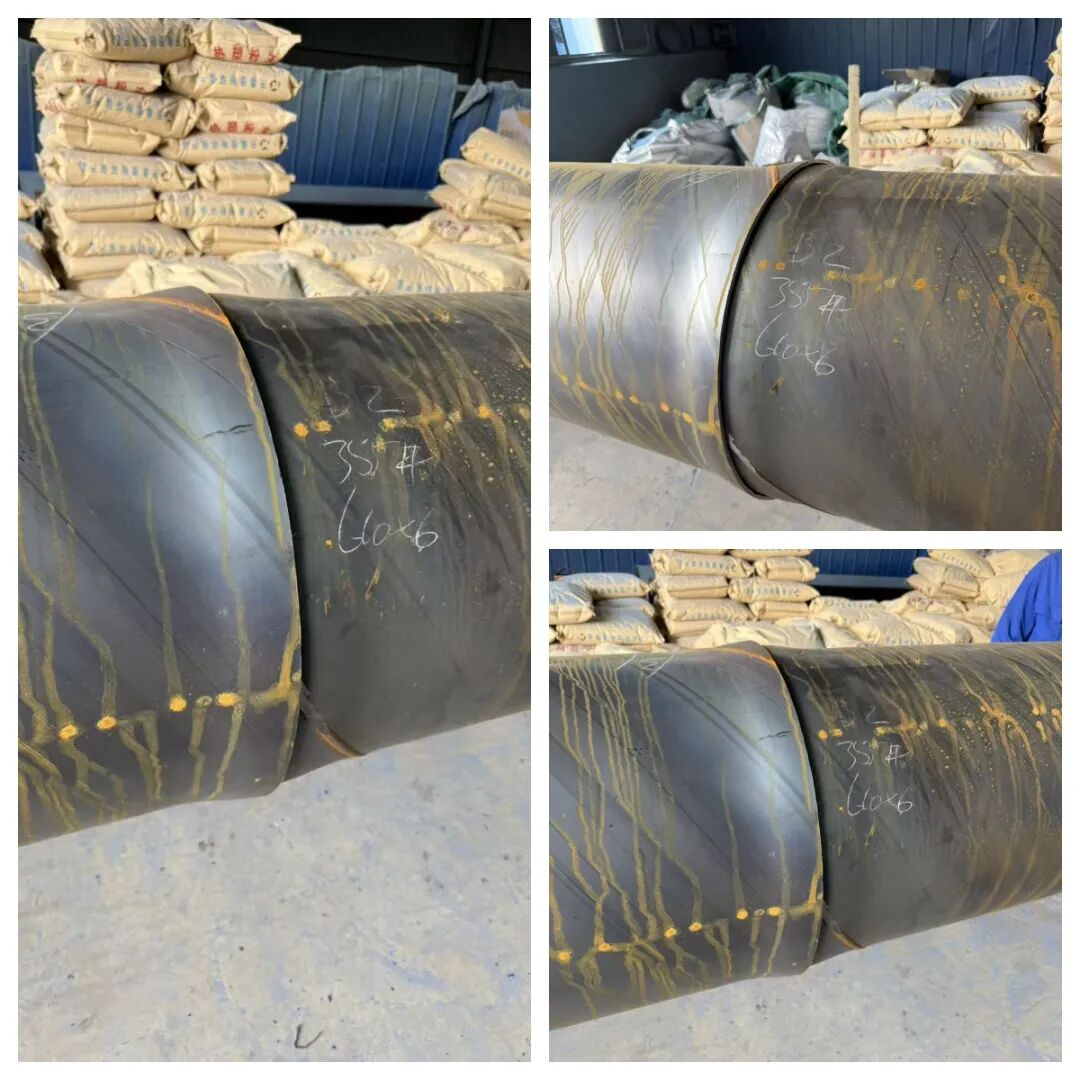
Spherical socket lap-weld anti-corrosion steel pipe is a composite connection scheme for carbon steel pipe, consisting of two connection steps: spherical socket engagement and lap welding. First, the spherical socket: one end of the pipe features a socket with a spherical profile, while the other end is a matching spigot. The spherical design allows a certain degree of angular deviation and axial misalignment between the pipe axes without affecting fit-up and welding. This is essential for on-site installation of large structures, where dimensional tolerances of prefabricated pipe sections and offshore installation are inevitable. This design greatly increases the flexibility of pipeline installation. Second, lap welding: instead of a flat butt joint between the ends of two pipes, the end of the spigot is lap-welded onto the outer wall of the socket, forming one or more fillet welds. The weld must achieve full penetration — the weld metal must completely fuse through to the root of the lap interface — ensuring that the joint is completely integrated inside and out as one body. Compared with some more complex connection methods, lap welding after spherical socket engagement is relatively simple to perform and requires no precise alignment or complicated adjustment, saving installation time and improving construction efficiency.